Precision
Immersion
Performance
Golf Studio Vilamoura

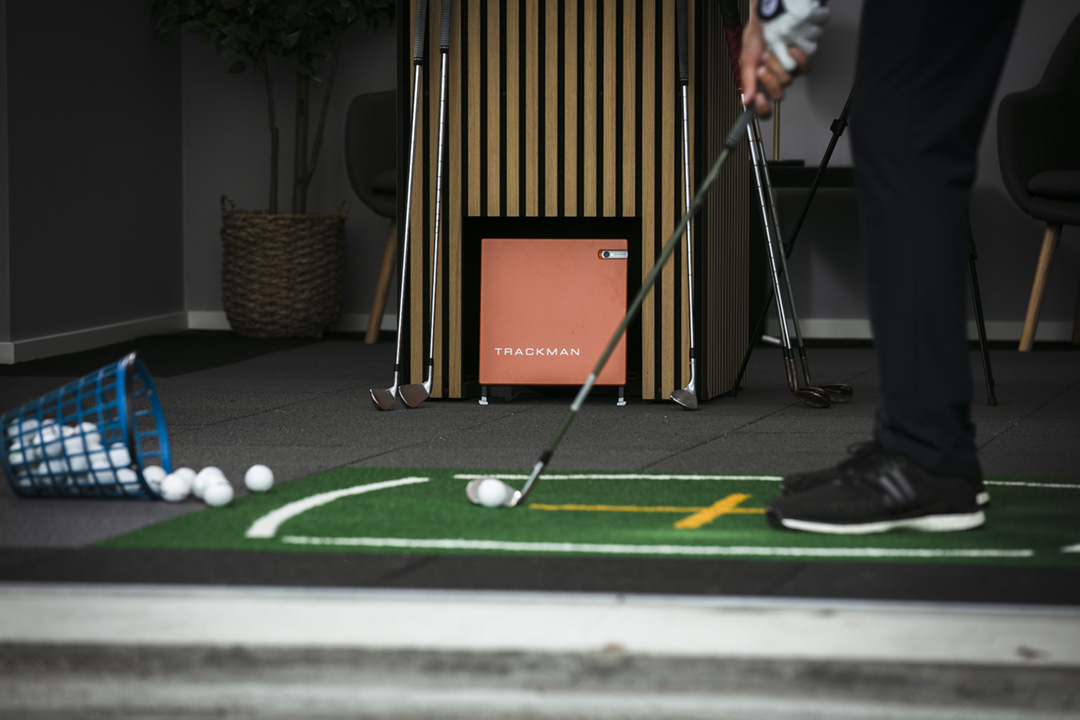
A good grip is the foundation of a consistent golf swing. Learn simple adjustments that make a huge difference to accuracy and distance.
The fundamentals of a proper golf grip cannot be overstated. Your grip is the only connection between you and the club, and it directly influences the clubface angle at impact, the swing path, and ultimately the ball’s flight. A solid grip provides control and consistency, allowing you to shape shots and maintain power throughout your swing.
To begin with, it’s essential to understand the three main types of grips: the overlapping grip, the interlocking grip, and the ten-finger or baseball grip. Each has its advantages and is suited to different hand sizes and swing styles. Most professionals prefer the overlapping grip, where the pinky finger of the trailing hand rests on top of the index finger of the lead hand, offering a balance of control and power.
How you position your hands on the club affects your wrist hinge and release during the swing. A grip that is too strong (rotated too far to the right for right-handed players) can cause hooks and pulls, while a weak grip (rotated too far to the left) often leads to slices and pushes. The ideal grip allows the clubface to square up naturally at impact, producing straighter, more accurate shots.
Common mistakes golfers make include gripping the club too tightly, which restricts wrist movement and generates tension throughout the swing. This tension leads to inconsistent contact and loss of distance. Another frequent error is inconsistent hand placement, causing the clubface to open or close unintentionally. To avoid these pitfalls, focus on a relaxed grip pressure—imagine holding a tube of toothpaste without squeezing any out.
Improving your grip starts with awareness and practice. Begin by placing your lead hand on the club so that the grip runs diagonally across your fingers, not your palm. The thumb should rest slightly on the grip's top, creating a “V” shape between your thumb and index finger pointing towards your trailing shoulder. Next, bring your trailing hand onto the club, aligning it so that the “V” formed by its thumb and index finger also points to the same spot.
One effective drill to develop muscle memory is the “Grip and Hold” exercise. Take your club and hold it in front of you with your grip in place. Without swinging, rotate the clubface back and forth while maintaining your grip. This helps you feel the correct hand pressure and positioning. Another drill is to hit short chips focusing solely on your grip and wrist action, ensuring your hands remain relaxed and the clubface stays square.
Professional golfers spend countless hours refining their grip because it’s truly the foundation of every shot. They know that even minor adjustments can lead to significant improvements in ball flight and control. Watching slow-motion videos of pros can reveal subtle hand positions and grip pressures that you can emulate. Remember, the goal is a grip that feels natural and comfortable, enabling a smooth, fluid swing.
Lastly, stay motivated by remembering that every great golfer started by mastering the basics. Your grip sets the tone for your entire game. With patience and consistent practice, you’ll notice your shots becoming more accurate, your swing more powerful, and your confidence growing with every round. Keep focusing on your grip, and it will reward you with better performance on the course.